A dental crown can help restore a damaged or weakened tooth when the remaining tooth structure needs additional protection. A damaged tooth may cause discomfort while chewing, sensitivity to pressure or temperature, or concern about further damage.
In some situations, a dental crown may be recommended to restore the shape, strength and function of a tooth. But a crown is not automatically the right solution for every damaged tooth.
So, when do you actually need a dental crown?
The answer depends on the condition of the tooth, the amount of remaining tooth structure, your oral health and the treatment options suitable for your individual situation. A dental examination can help determine whether a crown is appropriate for you.
It can help restore the tooth’s shape and function when the natural tooth has been significantly damaged or weakened.

What Is a Dental Crown?
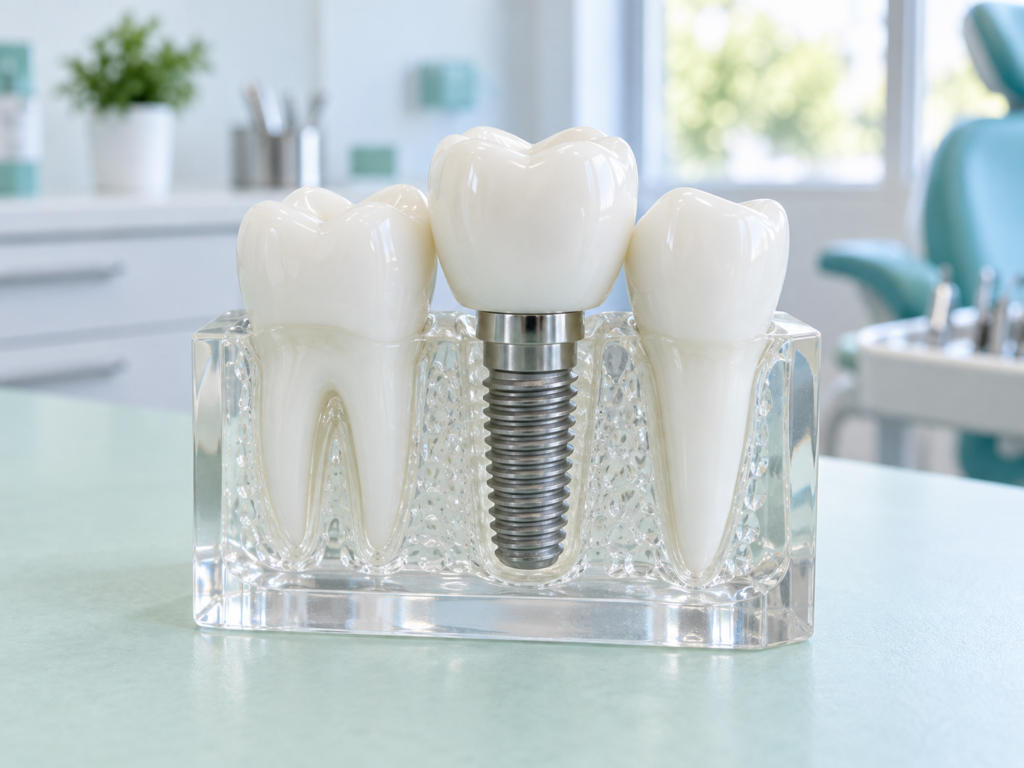
A dental crown is a custom-made restoration designed to cover a prepared tooth.
Depending on the individual case, a crown may be considered when a tooth has experienced:What Is a Dental Crown?
- Significant decay
- A fracture or break
- Extensive damage
- Severe wear
- Structural weakness
- Certain problems following root canal treatment
The purpose is not simply to improve appearance. A properly planned crown can also help restore the tooth’s ability to function as part of your bite.
When Might You Need a Dental Crown?
There isn’t one single reason why a dentist may recommend a crown. Several different situations can affect the strength and structure of a tooth.
1. A Tooth Is Severely Damaged
When a tooth has lost a substantial amount of its natural structure, a filling alone may not provide the type of restoration needed.
In such situations, your dentist may evaluate whether a dental crown would provide suitable coverage and support.
2. A Tooth Has Broken or Cracked
A broken tooth can sometimes be restored, depending on where the damage has occurred and how much healthy tooth remains.
If the tooth is structurally weakened, a crown may be one of the treatment options considered after examination.
3. Extensive Tooth Decay
When tooth decay has removed a significant portion of the tooth, restoring it may require more than a small filling.
Your dentist will assess the remaining tooth structure and determine which restoration is appropriate.
4. After Certain Root Canal Treatments
Some teeth that have undergone root canal treatment may require additional protection because of the amount of tooth structure lost.
However, not every root-canal-treated tooth automatically requires a crown. The decision depends on factors such as the tooth involved, remaining structure and overall treatment plan.
5. A Tooth Has Significant Wear
Teeth can become worn over time because of different factors.
If substantial tooth structure has been lost, your dentist may discuss restorative options that can help improve function and protect the remaining structure.
How Does Dental Crown Treatment Work?
The exact process depends on your tooth and the type of restoration being planned.
Generally, treatment involves several stages.
Step 1: Dental Examination
Your dentist first examines the tooth and surrounding oral structures.
Depending on your situation, diagnostic imaging may also be recommended.
Step 2: Treatment Planning
The dentist evaluates the condition of the tooth and discusses the available treatment options with you.
The goal is to choose an approach appropriate for your specific dental needs.
Step 3: Preparing the Tooth
If a crown is selected, the tooth is prepared so the restoration can fit properly.
The amount of preparation depends on the individual tooth and restoration.
Step 4: Crown Fabrication
The crown is created according to the planned specifications so that it can fit the tooth and work with your bite.
Step 5: Crown Placement
Once the restoration is ready, your dentist checks its fit and bite before completing the placement.
The final result should be comfortable and functional while complementing your natural smile.
What Can You Expect After Getting a Dental Crown?
It is normal to need some time to become accustomed to a new restoration.
Your dentist will provide guidance based on your individual treatment.
Maintaining good oral hygiene is particularly important because the natural tooth and surrounding gums still require regular care.
Continue with:
- Regular brushing
- Daily flossing
- Routine dental check-ups
- Good overall oral hygiene
- Following your dentist’s specific instructions
How Do You Take Care of a Dental Crown?
A dental crown does not replace the need for good oral hygiene.
Even though the visible portion of the tooth is covered by the restoration, the surrounding gums and remaining natural tooth structure still need proper care.
Brush regularly
Use a suitable toothbrush and fluoride toothpaste as part of your normal oral-care routine.
Clean between your teeth
Flossing or another dentist-recommended interdental cleaning method can help remove plaque from areas that brushing cannot reach.
Attend regular dental check-ups
Routine examinations allow your dentist to monitor the crown, the surrounding teeth and your overall oral health.
Be mindful of your habits
Avoid using your teeth as tools and discuss any habits such as frequent teeth grinding with your dentist.
How Do You Know If You Need a Dental Crown?
You cannot always determine this from appearance alone.
A tooth may look relatively normal but still have structural problems. Similarly, a visibly damaged tooth may have several possible treatment options.
Your dentist may consider:
- The amount of remaining tooth structure
- The location of the tooth
- The extent of damage or decay
- Gum and surrounding tooth health
- Your bite
- Previous dental treatment
- Your overall oral-health needs
This is why a professional examination is important before deciding on a restoration.
Dental Crown or Another Treatment?
A crown is only one possible restorative option.
Depending on the condition of your tooth, your dentist may consider alternatives such as a filling, another type of restoration, or a different treatment altogether.
The appropriate option depends on the individual tooth rather than simply choosing the most extensive treatment.
If you are experiencing tooth pain, sensitivity, a broken tooth or visible damage, an examination can help identify the cause and possible treatment options.
When Should You Visit a Dentist?
Consider arranging a dental examination if you notice:
- A broken or chipped tooth
- Persistent tooth sensitivity
- Pain when chewing
- Significant tooth decay
- A damaged old filling
- A tooth that has changed in appearance
- A restoration that feels loose or uncomfortable
Early assessment can help your dentist understand the problem and discuss appropriate treatment options.
Frequently Asked Questions
Does getting a dental crown hurt?
The procedure is performed with appropriate dental anaesthesia when needed. Your dentist will explain the procedure and help manage your comfort during treatment.
How long does a dental crown last?
The lifespan of a crown can vary depending on factors such as oral hygiene, biting forces, the tooth involved, the restoration and individual habits. Regular dental care can help maintain the restoration.
Can a broken tooth be repaired with a crown?
Sometimes. Whether a crown is appropriate depends on the location and extent of the break and how much healthy tooth structure remains.
Does every root canal need a crown?
No. A crown is not automatically required after every root canal treatment. Your dentist evaluates the individual tooth and its remaining structure before recommending restoration.
How do I know if I need a dental crown?
The most reliable way is to have the tooth examined by a dentist. An examination helps determine the condition of the tooth and whether a crown or another treatment may be appropriate.
Your Tooth Deserves an Individual Treatment Plan
Every tooth is different, and the right restoration depends on your individual oral-health needs.
If you have a damaged, weakened or heavily restored tooth and want to understand your treatment options, Karthika Dental Clinic can assess your dental condition and discuss suitable restorative options with you.